
 English GB
 Français
Herbs
Organic aromatic herbs grown and dried on the farm to flavour your dishes with authenticity.
This category brings together organic herbs and seasonings designed to add flavor to your cooking using carefully selected aromatic plants. The selection prioritizes plants grown or processed on the farm, with a focus on composition and practical application. The aim is to select products based on flavor and culinary use, rather than simply amassing items with redundant functions. This range extends Hitton’s agricultural work and emphasizes transparency regarding each product’s origin, composition, and usage. Product details include ingredients, usage instructions, and—where relevant—precautions concerning essential oils or sensitive periods. This approach helps build a clearer, more manageable routine tailored to actual usage frequency and specific needs.
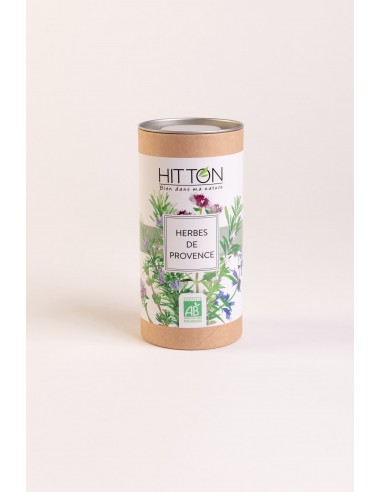
Showing 1-1 of 1 item(s)
How to Choose Organic Culinary Herbs?
The first criterion is to start with the intended use: adding flavour to cooking with carefully selected aromatic plants. A suitable product should match the desired flavour profile and culinary use. The ingredient list can then help you understand which aromatic plants are included and how they fit into the product. A short ingredient list is not automatically better, but each ingredient should have a clear and coherent purpose. Aroma, intensity, recommended quantity, and culinary preferences also matter, as different herbs can be suited to very different dishes and methods of preparation. At Hitton, the selection approach reflects natural products, agricultural and artisanal expertise, and clearly explained uses without making excessive claims. When choosing between several herbs, it is useful to consider their aromatic profile, intended culinary use, origin, and storage recommendations.
What Ingredients and Expertise Can Be Found in This Category?
This category focuses on aromatic plants cultivated or prepared within Hitton’s agricultural world. Aromatic plants are an important part of the farm’s expertise and are used in different ways across the wider range, including culinary herbs, hydrosols, and essential oils. For food products, however, the relevant criteria are specifically the plants intended for culinary use, their aromatic characteristics, provenance where specified, and how they have been prepared. Harvesting, drying, processing, and storage can all influence the aroma and practical use of culinary herbs. This is why the information provided on each product page remains the main reference for understanding the characteristics and recommended uses of each Hitton product.
How to Use Organic Culinary Herbs in Cooking?
Culinary herbs can be incorporated into everyday cooking according to their aromatic intensity and the dishes being prepared. Some herbs can be added during cooking, while others are particularly suited to seasoning towards the end of preparation or just before serving. It is generally better to start with a small quantity and adjust gradually according to taste, especially when discovering a new aromatic plant. Consider how each herb pairs with vegetables, meat, fish, sauces, marinades, or other preparations rather than combining numerous flavours without a clear purpose. The recommended storage conditions should also be followed to help preserve the product’s aromatic qualities. This simple approach makes it easier to explore different flavours while making appropriate use of each herb.
Who Are Organic Culinary Herbs For, and What Precautions Should Be Taken?
Organic culinary herbs are intended for anyone looking to flavour and season food with aromatic plants. The choice should primarily be guided by personal taste, the type of dish being prepared, and the desired aromatic intensity. Before use, check the ingredient list and any allergen information provided on the label or product page, particularly for blends containing several ingredients. Recommended quantities and storage conditions should also be followed. Culinary herbs should not be confused with essential oils or other concentrated aromatic extracts, which have different uses and precautions. The information provided for each individual product remains the main reference for determining how it should be used in cooking.
FAQ About Culinary Herbs
What criteria should you consider when choosing culinary herbs for seasoning?
Start with the aromatic profile, intended culinary use, recommended quantity, and possible food pairings. Then consider the complete ingredient list, provenance where specified, and storage recommendations. For blends, also check for potential allergens and any additional ingredients before use.
How often can culinary herbs be used without overpowering a dish?
There is no single frequency that applies to all culinary herbs. The important factor is the quantity used and the aromatic intensity of the plant. Start with a small amount, taste the preparation, and adjust gradually. Some herbs are naturally more powerful than others, so the appropriate quantity depends on both the product and the dish.
What mistakes should you avoid when seasoning food with culinary herbs?
Avoid using too many strongly flavoured herbs at the same time or adding a large quantity before assessing their aromatic intensity. It is also useful to consider when the herb should be added, as prolonged cooking can alter the flavour of certain aromatic plants. Finally, follow the recommended storage conditions to help preserve their aroma and quality.
What role should culinary herbs play alongside other seasonings?
Culinary herbs provide aromatic character and can be combined with other seasonings according to the recipe. They do not necessarily need to be multiplied within the same dish: one or two well-chosen herbs may be sufficient to create the desired flavour profile. The objective is to achieve a balanced result rather than accumulate different aromas.
How can you compare two culinary herbs beyond their product names?
Compare their aromatic profiles, intensity, ingredient lists, recommended quantities, culinary uses, and suggested food pairings. Provenance and processing methods may also provide useful information where these details are specified. Two herbs can belong to the same category while producing very different results in cooking.
What is the difference between Hitton culinary herbs and other aromatic products in the range?
Culinary herbs are specifically intended for seasoning and food preparation. Other aromatic products in the Hitton range, such as hydrosols or essential oils, have their own compositions, intended uses, and precautions and should not automatically be considered interchangeable with food herbs. Always refer to the product page to confirm that a product is intended for culinary use.
What simple guidelines can help you choose and combine Hitton culinary herbs?
Start with the dish you want to prepare, then choose an aromatic profile that complements its main ingredients. Consider the intensity of each herb and avoid combining too many dominant flavours at once. The origin of the plants and Hitton’s agricultural expertise can also be considered, while the intended culinary use and flavour should remain the main selection criteria.
How should you choose Hitton culinary herbs when food sensitivity or tolerance is a priority?
Check the complete ingredient list carefully, particularly when choosing a blend containing several plants or additional ingredients. Any allergen information should be taken into account, as well as individual food intolerances or sensitivities. Start with a moderate quantity when discovering a new product and follow the information provided on the product page and label.
Which type of Hitton product should you consider first for seasoning with aromatic plants?
Start with a culinary herb whose aromatic profile corresponds directly to the dish you want to prepare. Then consider its intensity, suggested pairings, recommended quantity, and storage instructions. If you are choosing between several Hitton products, prioritise those explicitly intended for culinary use and whose flavour profile best matches your cooking.