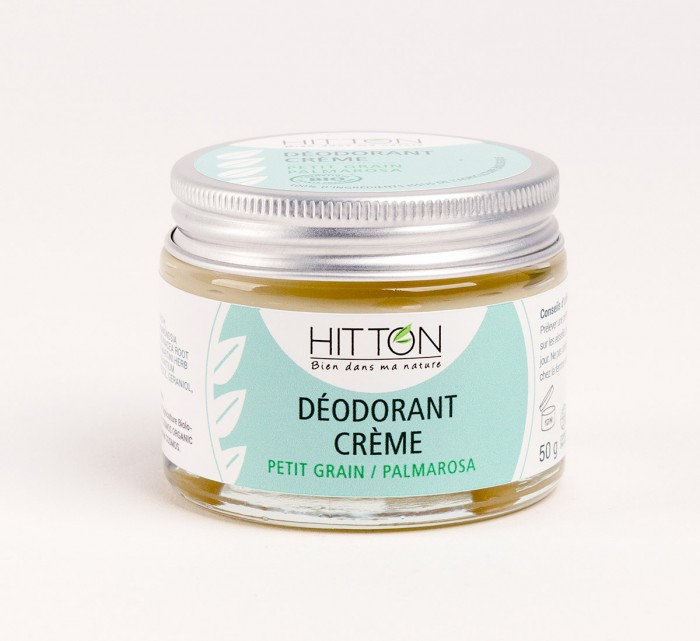
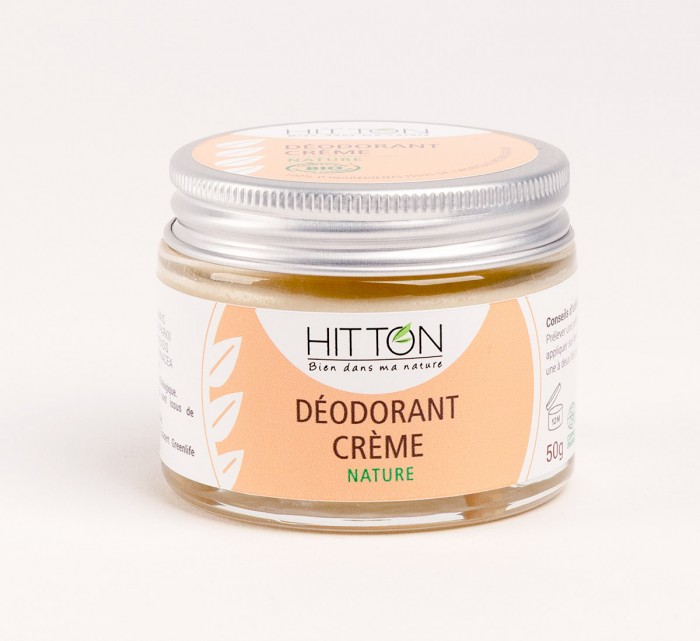
How to Choose Natural Deodorants?
The first criterion is to start with the intended use: helping to limit odours and moisture while respecting the delicate underarm area. A suitable product should provide underarm comfort and be appropriate for this specific area of the body. The ingredient list can then help you understand the role of absorbent powders, butters, and aromatic active ingredients in the formula. A short formula is not automatically better, but each ingredient should have a clear purpose that is consistent with the product. Texture, frequency of use, and sensory preferences also matter, because an effective routine is first and foremost one that can be followed regularly. At Hitton, the selection approach is based on natural products, agricultural and artisanal expertise, and clearly explained uses without making excessive claims. When in doubt, it is better to start with a small number of products, observe how well they are tolerated, and adjust gradually.
What Ingredients and Expertise Can Be Found in This Category?
Depending on the product, this category may include absorbent powders, butters, and aromatic active ingredients. Organic donkey milk holds a special place in the Hitton range: it comes from the farm’s own herd and is used in several soaps and cosmetic products. Aromatic plants are another key area of the farm’s expertise, particularly through hydrosols and essential oils. For soaps, cold-process saponification makes it possible to produce cleansing bars rich in oils and fats without using a pre-prepared industrial cleansing base. Plant oils and butters are selected for their contribution to texture, application, nourishment, and comfort. However, the relevance of an ingredient depends on its concentration, the overall formula, and how the product is used, not simply on its presence on the label. This is why the information provided on each product page remains the main reference when comparing two formulas.
How to Incorporate These Products into a Natural Routine?
A consistent routine starts with the essential step, then adds only the products that address an identified need. For underarm comfort, regularity and gentle application are generally more useful than rapidly alternating between numerous different products. Deodorants are usually leave-on products, so the amount applied should remain moderate and the recommended frequency of use should be followed. The product should preferably be applied to clean skin according to the instructions provided on its product page. Essential oils and other aromatic ingredients require additional precautions: dosage, method of use, age, pregnancy, breastfeeding, and specific individual circumstances should be considered before use. Introducing a new deodorant gradually can also make it easier to assess tolerance, particularly on sensitive underarm skin. This simple approach helps determine what genuinely works without turning a daily hygiene routine into an unnecessarily complex regimen.
Who Are Natural Deodorants For, and What Precautions Should Be Taken?
Natural deodorants should not be chosen solely on the basis of a keyword or trend: perspiration, underarm sensitivity, preferred texture, and frequency of use should guide the decision. A deodorant is primarily intended to help manage body odour and should not automatically be confused with an antiperspirant designed to reduce perspiration itself. Other products being used, the season, physical activity, shaving or hair removal, and individual skin sensitivity should also be taken into account. For sensitive underarms, a local patch test and gradual introduction can help assess tolerance. The precautions stated on the label and product page should always be followed, particularly for formulas containing essential oils or aromatic ingredients. If irritation or discomfort becomes significant, persists, or worsens, use should be reassessed and, where appropriate, advice from a healthcare professional may be useful.
FAQ About Deodorants
Which aspects of the formulation are most useful to compare when choosing a deodorant?
When comparing formulas, consider the complete ingredient list, texture, application method, and precautions for use. In this category, the most useful criteria include how the product is applied, how it addresses body odour and moisture, underarm tolerance, and whether it comes in a solid or another format.
How can you tell whether a deodorant is suitable for your needs?
A deodorant should have a clearly identifiable role within your daily hygiene routine. Consider your level of perspiration, underarm sensitivity, preferred format, and how the product feels during use. If one deodorant already provides the comfort and odour management you are looking for, adding another product with the same purpose does not necessarily provide an additional benefit.
What signs indicate that you should adjust how you use a deodorant?
Redness, dryness, stinging, or unusual underarm discomfort may indicate that the amount applied, frequency of use, or product itself should be reconsidered. Shaving or hair removal can also temporarily make the area more sensitive. Following the instructions on the product page and introducing a new formula gradually can make it easier to assess tolerance.
Should texture, formulation, or frequency of use be prioritised when choosing a deodorant?
These criteria should be considered together. The complete formulation helps you understand what the product contains, while the texture and format influence application and everyday comfort. Frequency of use should then be adapted according to the product instructions, your level of perspiration, and your underarm tolerance.
Can natural deodorants be used all year round, or should you adapt your routine according to the season?
A natural deodorant can be part of a year-round routine, but individual needs may vary with temperature, physical activity, and perspiration levels. The amount or frequency of application may therefore need to be adjusted while remaining within the recommendations provided for the product.
How should you choose between several Hitton options for daily body odour management?
Compare the complete ingredient lists, textures, formats, application methods, and precautions for use. Also consider your level of perspiration and underarm sensitivity. The most useful approach is to start with your specific needs and then choose the Hitton product whose intended use and formulation address them most directly.
What should you check on a Hitton product page before buying a deodorant?
Check the intended use, complete ingredient list, application instructions, recommended frequency, format, and any precautions associated with aromatic ingredients or essential oils. If you have sensitive underarms, also consider whether the product page provides specific guidance on tolerance and application.
In a Hitton routine, which step should remain the priority for daily body odour management?
Regular hygiene and the appropriate use of a deodorant suited to your needs should remain the main steps. Follow the application instructions provided on the product page and adjust your routine if the underarm area shows signs of discomfort. The most useful approach is to keep the routine simple and choose a product whose intended use and formulation match your needs.
How can you compare a Hitton deodorant containing plant-based ingredients with a simpler formula?
Do not compare formulas solely on the basis of one highlighted plant or ingredient. Consider the complete composition, texture, application method, precautions for use, and your own underarm tolerance. A deodorant should have a clearly identifiable role within the routine, and the final choice should be guided by how well the complete formula matches your daily needs.

 English GB
 Français