How to Choose Artisan Cold-Process Soaps?
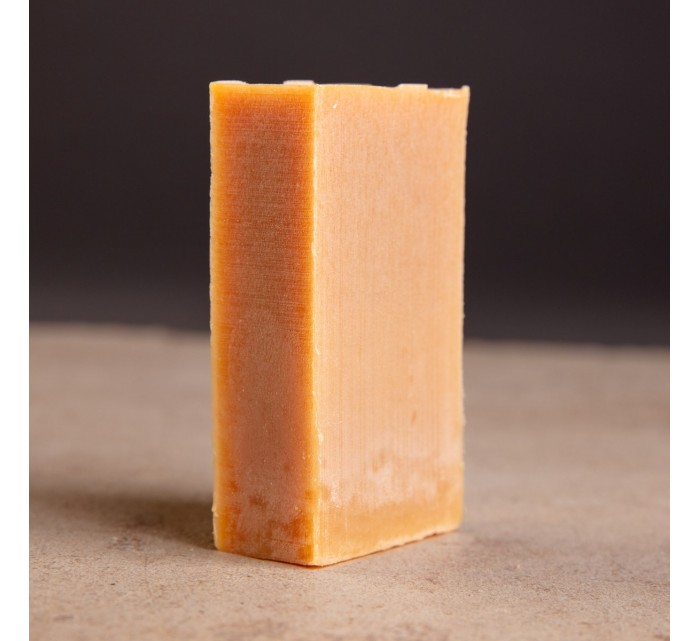
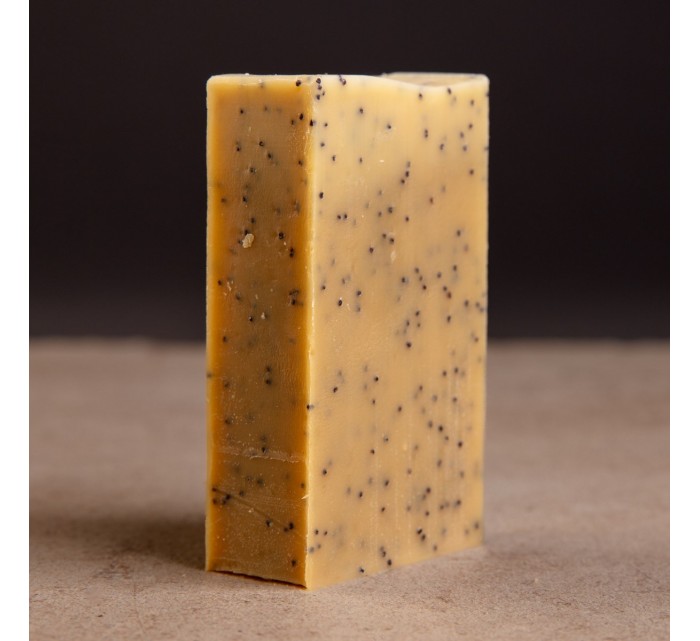
The first criterion is to start with the intended use: cleansing while preserving skin comfort as much as possible. A suitable product should respect the skin’s hydrolipidic film and be appropriate for the area where it will be used. The ingredient list can then help you understand the role of plant oils, butters, milks, and plants in the formula. A short formula is not automatically better, but each ingredient should have a clear purpose that is consistent with the product. Texture, frequency of use, and sensory preferences also matter, because an effective routine is first and foremost one that can be followed regularly. At Hitton, the selection approach is based on natural products, agricultural and artisanal expertise, and clearly explained uses without making excessive claims. When in doubt, it is better to start with a small number of products, observe how well they are tolerated, and adjust gradually.
What Ingredients and Expertise Can Be Found in This Category?
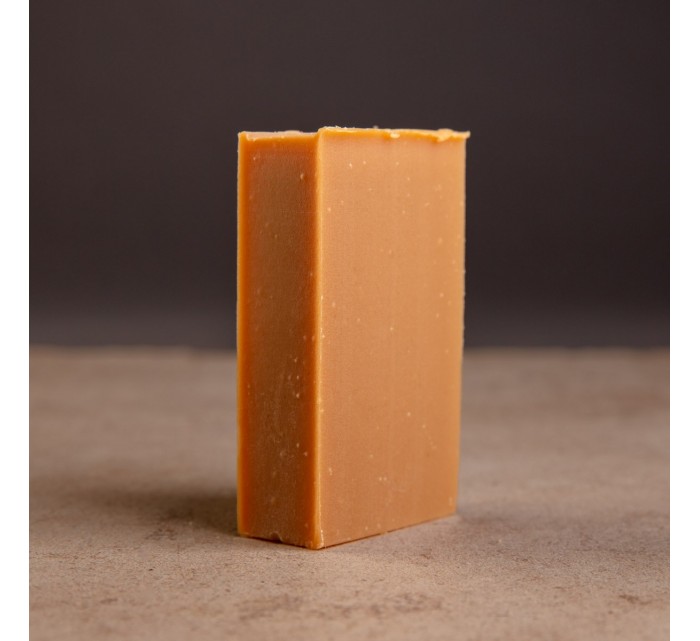
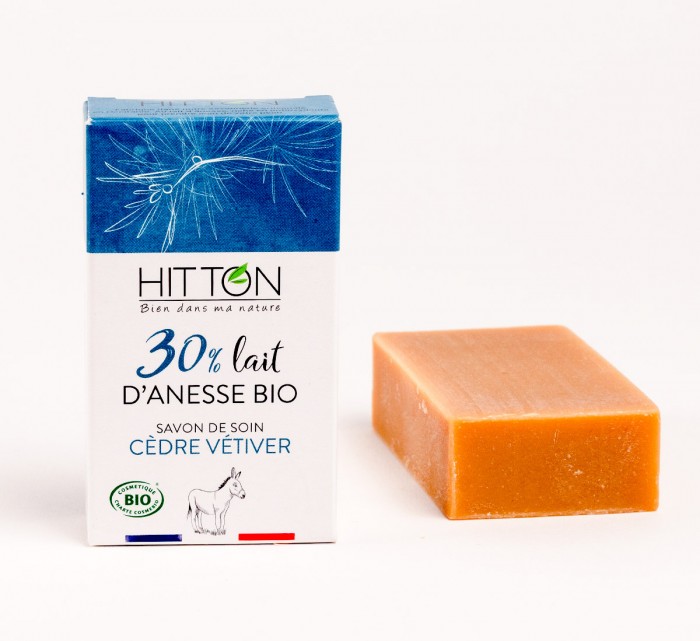
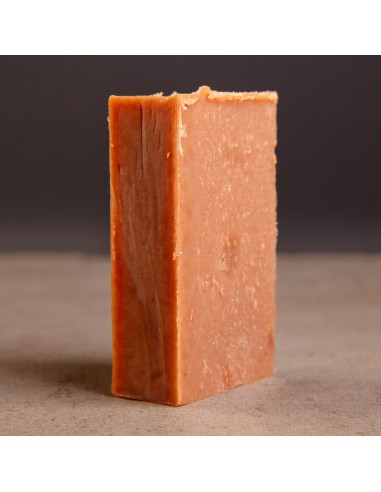
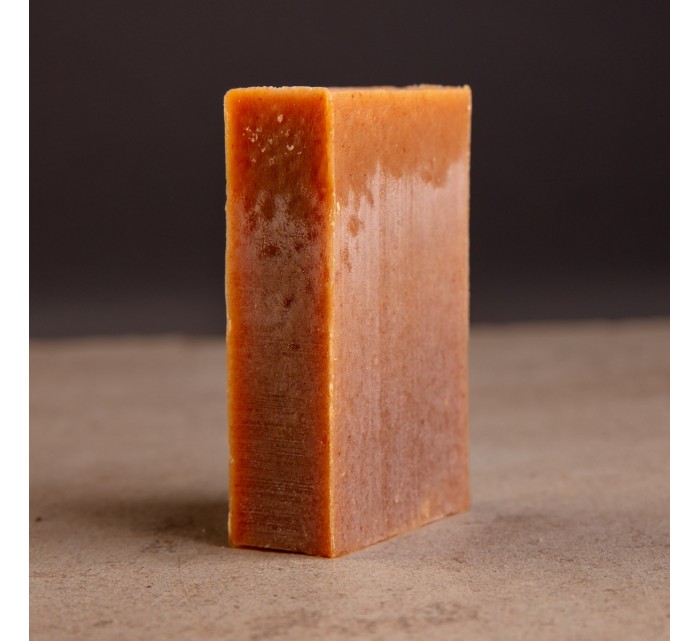
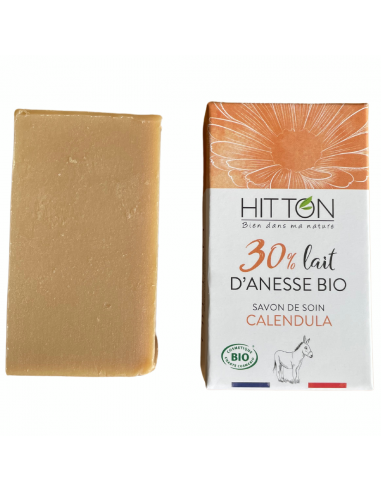
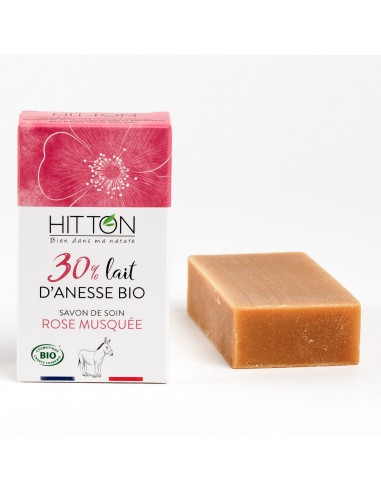
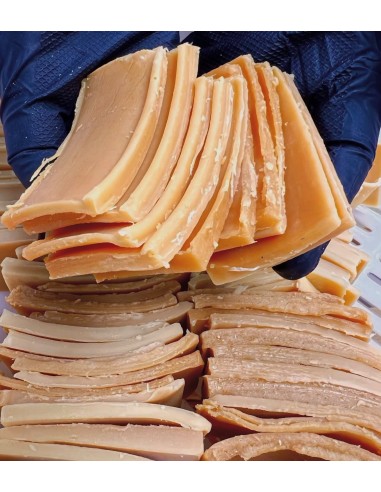
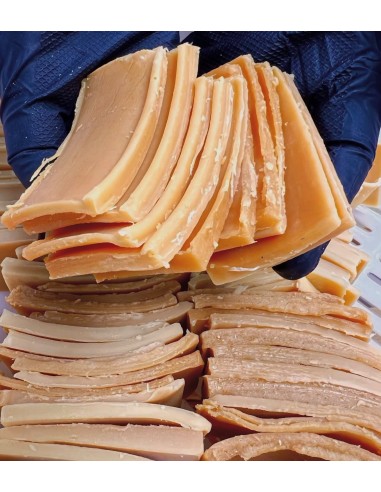
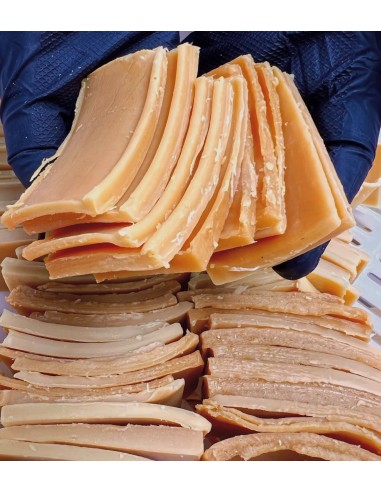
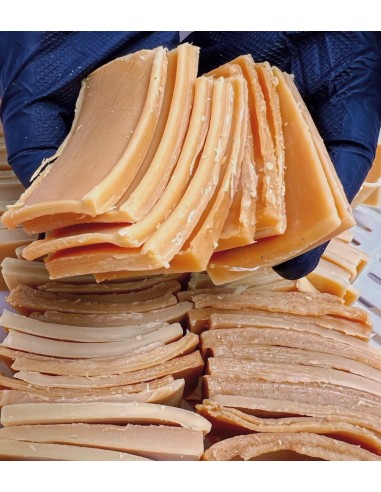
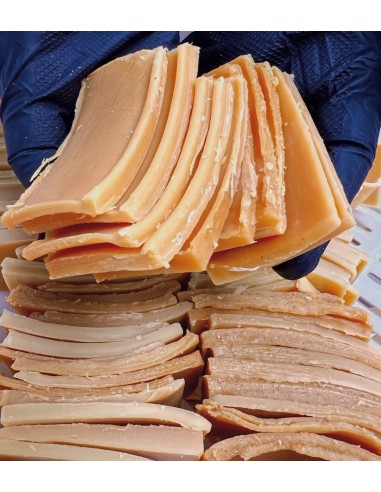
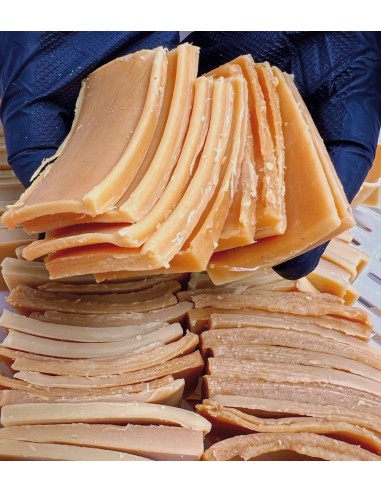
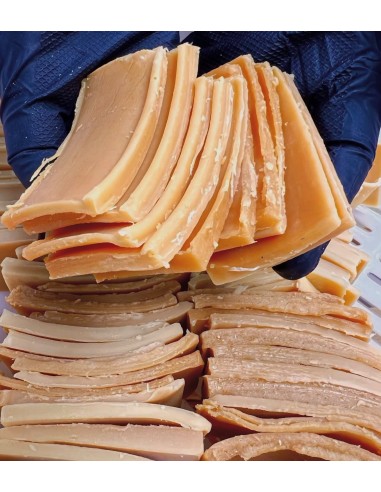
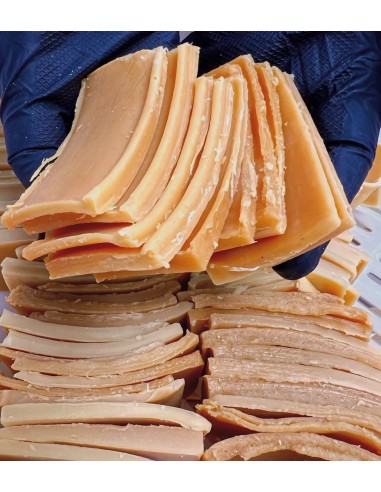
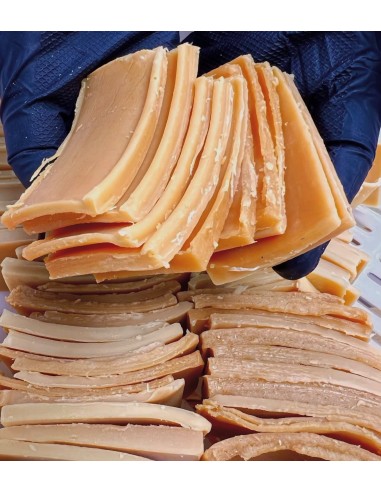
Depending on the product, this category may include plant oils, butters, milks, and plants. Organic donkey milk holds a special place in the Hitton range: it comes from the farm’s own herd and is used in several soaps and cosmetic products. Aromatic plants are another key area of the farm’s expertise, particularly through hydrosols and essential oils. For soaps, cold-process saponification makes it possible to produce cleansing bars rich in oils and fats without using a pre-prepared industrial cleansing base. Plant oils and butters are selected for their contribution to texture, application, nourishment, and comfort. However, the relevance of an ingredient depends on its concentration, the overall formula, and how the product is used, not simply on its presence on the label. This is why the information provided on each product page remains the main reference when comparing two formulas.
How to Incorporate These Products into a Natural Routine?
A consistent routine starts with the essential step, then adds only the products that address an identified need. To help preserve the skin’s hydrolipidic film, regularity and gentle cleansing are generally more useful than rapidly alternating between numerous different products. When a product is rinsed off, the recommended contact time and frequency of use should be followed; when a complementary product remains on the skin or hair, the amount applied should be kept moderate. Oils, serums, and balms are often used in small quantities and can complement cleansing or water-based skincare depending on the formula. Essential oils require additional precautions: dosage, method of use, age, pregnancy, breastfeeding, and specific individual circumstances should be considered before use. Introducing new products one at a time also makes it easier to identify any potential intolerance. This simple approach helps determine what genuinely works without turning a routine into an unnecessarily complex regimen.
Who Are Artisan Cold-Process Soaps For, and What Precautions Should Be Taken?
Artisan cold-process soaps should not be chosen solely on the basis of a keyword or trend: the condition of the skin and its hydrolipidic film should guide the decision. Temporary discomfort and a persistent problem do not necessarily require the same response. Other products being used, the season, washing frequency, and environmental exposure should also be taken into account. For sensitive skin, a local patch test and a simplified routine can help assess tolerance. The precautions stated on the label and product page should always be followed, particularly for products containing essential oils. If discomfort becomes significant, persists, or worsens, a healthcare professional can help distinguish a cosmetic need from a condition requiring appropriate care. The purpose of selecting products according to specific needs is precisely to provide better guidance while keeping these limitations clearly in mind.
FAQ About Soaps
What role should soap play alongside other products in the same routine?
Soap should have a clearly identifiable role within your routine. If it already fulfils the intended purpose of cleansing the skin, adding another similar cleansing product does not necessarily provide an additional benefit.
How can you compare two soaps beyond their product names?
Start by considering the cold-process saponification method, the level of superfatting, and the area of the body where the soap will be used. Then compare the intended use, formulation, and recommended frequency rather than relying on a single highlighted ingredient.
In what order should soap be used with other skincare products?
When comparing formulas, consider the complete ingredient list, texture, application area, and precautions for use. In this category, the most useful criteria include cold-process saponification, superfatting, and choosing a soap according to the area being cleansed.
How can you avoid using too many products when soap is already part of your routine?
Soap should have a clearly identifiable role within your routine. If it already fulfils the intended purpose of cleansing the skin, adding another similar cleansing product does not necessarily provide an additional benefit.
How should you read a soap product page to make an appropriate choice?
Start by considering the cold-process saponification method, the level of superfatting, and the area where the soap will be used. Then compare the intended use, formulation, and recommended frequency rather than relying on a single highlighted ingredient.
How should you adapt your Hitton selection if your skin-cleansing needs change over time?
For skin cleansing, keep your routine simple: start with one main cleansing step, then add a complementary product only if it addresses a separate need. This makes it easier to assess what genuinely improves skin comfort. A short and consistent selection is preferable to buying several redundant products; the individual product pages provide the information needed to check their specific purpose.
What can you reasonably expect from a Hitton skin-cleansing routine?
A suitable product should match the area concerned, the level of sensitivity, and the desired cosmetic result. If use becomes uncomfortable or your needs change, the product or frequency of use should be reassessed. A short and consistent selection is preferable to buying several redundant products; the individual product pages provide the information needed to check their specific purpose.
I'm looking for a product for cleansing the skin: where should I start in the Hitton range?
The appropriate frequency depends on the purpose of the product and how well it is tolerated. Start by following the instructions on the product page, then reduce or adjust the frequency if the skin shows signs of discomfort. A short and consistent selection is preferable to buying several redundant products; the individual product pages provide the information needed to check their specific purpose.
How should you choose between several Hitton options for cleansing the skin?
Soap should have a clearly identifiable role within your routine. If it already fulfils the intended purpose of cleansing the skin, adding another similar product does not necessarily provide an additional benefit. A short and consistent selection is preferable to buying several redundant products; the individual product pages provide the information needed to check their specific purpose.

 English GB
 Français