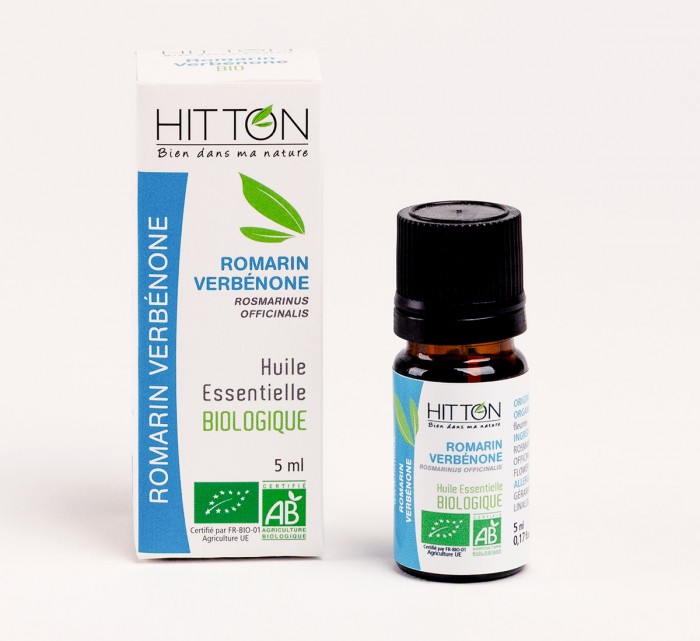
How to Choose Organic Essential Oils?
The first criterion is to start with the intended use: using concentrated aromatic extracts carefully and appropriately. A suitable product should correspond to a clearly defined aromatic or cosmetic use and be appropriate for the intended application. The product information can then help you understand the botanical origin of the essential oil, the plant part used, and the recommended methods of use. With essential oils, concentration, dosage, and precautions are particularly important because these are highly concentrated aromatic substances. Frequency of use and individual sensitivity also need to be considered. At Hitton, the selection approach is based on natural products, agricultural and artisanal expertise, and clearly explained uses without making excessive claims. When in doubt, it is better to use a limited number of products, follow the stated precautions carefully, and seek professional advice when necessary.
What Ingredients and Expertise Can Be Found in This Category?
This category is based primarily on aromatic plants and the concentrated extracts obtained from them through processes such as distillation. Aromatic plants are an important part of Hitton’s farm-based expertise, particularly through the production of hydrosols and essential oils. The botanical species, plant part used, cultivation conditions, and extraction method all contribute to the characteristics of an essential oil. Organic donkey milk also holds a special place in the wider Hitton range, where it is used in several soaps and cosmetic products, while plant oils and butters are incorporated into other formulations according to their intended purpose. For essential oils specifically, the product page remains the main reference for checking botanical origin, composition, recommended uses, and precautions.
How to Incorporate These Products into a Natural Routine?
Essential oils should be incorporated into a routine according to a clearly identified purpose and the instructions provided for each product. More frequent or more concentrated use is not necessarily more appropriate. Depending on the essential oil and intended application, dilution may be required, and some methods of use may not be suitable. Particular attention should be paid to dosage, application method, age, pregnancy, breastfeeding, medical history, and other individual circumstances. Contact with sensitive areas such as the eyes and mucous membranes should be avoided unless the product information explicitly indicates otherwise. Introducing one product at a time also makes it easier to assess tolerance. When the recommended method of use is unclear or individual circumstances require additional precautions, advice from a qualified healthcare professional should be sought before use.
Who Are Organic Essential Oils For, and What Precautions Should Be Taken?
Organic essential oils should be selected according to their botanical identity, intended use, method of application, and individual circumstances rather than simply according to fragrance or current trends. Because essential oils are concentrated substances, precautions can vary considerably from one oil to another. Some may require dilution or have restrictions relating to age, pregnancy, breastfeeding, medical conditions, sun exposure, or specific methods of use. Sensitive skin also requires particular care, and direct application of an undiluted essential oil should not be assumed to be appropriate. The instructions and precautions stated on the label and product page should always be followed. If irritation or an unusual reaction occurs, use should be stopped and appropriate professional advice sought when necessary.
FAQ About Essential Oils
What is the difference between occasional and regular use of essential oils?
The appropriate frequency depends on the specific essential oil, its concentration, the intended purpose, and the recommended method of use. Regular use should not automatically mean using a larger quantity or applying the product more frequently. Always check the recommended dosage, dilution, application method, age restrictions, and precautions relating to pregnancy or breastfeeding.
How can you assess the tolerance of an essential oil when using it for the first time?
Start by checking the botanical identity, intended use, recommended dilution, and all precautions provided for the product. Essential oils are concentrated substances, so tolerance should not be assumed simply because an oil is natural or organic. Follow the application instructions carefully and stop using the product if irritation or an unusual reaction occurs.
How can essential oils be incorporated into an aromatic or cosmetic routine?
Start with a clearly defined purpose and use only an essential oil whose recommended applications correspond to that purpose. Check whether dilution is required and follow the stated dosage and frequency. Avoid combining several essential oils unnecessarily, particularly when their uses overlap. Age, pregnancy, breastfeeding, individual sensitivity, and other specific circumstances should always be taken into account.
Which characteristics are most useful to compare when choosing essential oils?
Useful criteria include the botanical name, plant part used, origin, extraction method, composition when specified, intended applications, recommended dilution, and precautions. Two essential oils with similar common names may not necessarily have identical characteristics or uses, so the detailed product information should remain the main basis for comparison.
How can you tell whether an essential oil is suitable for your needs?
First check that the product’s intended use corresponds to what you are looking for. Then consider its botanical identity, recommended method of use, dilution requirements, frequency, and precautions. Particular attention should be paid to restrictions relating to age, pregnancy, breastfeeding, sensitivity, medical circumstances, or specific application methods.
Why is Hitton's farm-based and artisanal expertise relevant when choosing essential oils?
Aromatic plants form part of Hitton’s agricultural expertise and are used within its wider range of hydrosols and essential oils. This connection with plant cultivation provides useful context when considering the origin of the products. However, the final choice of an essential oil should always remain based on its precise botanical identity, intended use, recommended dosage, and specific precautions.
What is the difference between the role of an essential oil and that of a complementary Hitton skincare product?
An essential oil is a highly concentrated aromatic extract and requires specific precautions regarding dosage and method of use. A soap, hydrosol, oil, balm, or other cosmetic product has its own formulation and purpose and should not be considered interchangeable with an essential oil. Compare the intended function and instructions for each product before combining them within the same routine.
What simple guidelines can help prevent overloading a Hitton routine with essential oils?
Use essential oils only when they serve a clearly identified purpose and avoid combining several products with overlapping uses without a specific reason. Follow the recommended quantities and frequency rather than increasing them in an attempt to obtain faster results. Always check dilution, application method, age restrictions, and precautions relating to pregnancy, breastfeeding, or other individual circumstances.
How should you choose a Hitton essential oil when sensitivity or tolerance is the priority?
Start by checking the exact botanical identity, intended use, recommended dilution, and precautions for each product. Sensitivity requires particular attention because essential oils are concentrated substances and their precautions vary from one oil to another. Choose according to the complete product information rather than fragrance or a single highlighted property, and seek appropriate professional advice if your individual circumstances make the recommended use uncertain.

 English GB
 Français